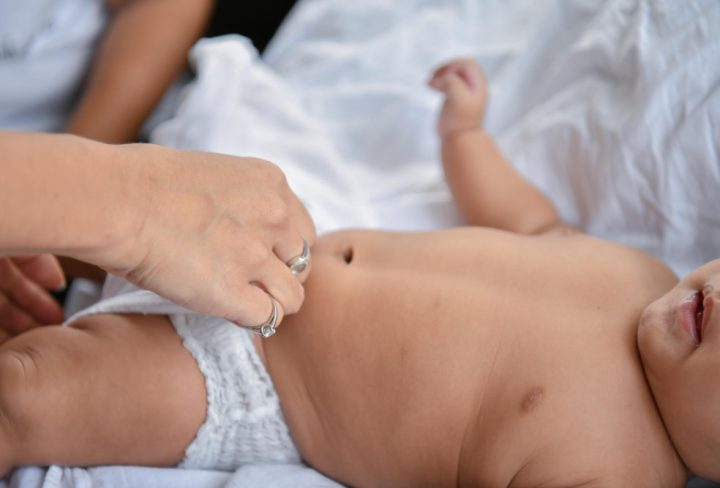
What is Hydrocele in Children?
Hydrocele in children is a condition where fluid collects in the sac around a boy’s testicle. This swelling is usually painless. However, it can worry parents. Childhood hydrocele is common in newborn boys. Often, it goes away on its own. But sometimes, it may need medical attention. Pediatric hydrocele symptoms can be mild or more noticeable. Understanding the signs and treatment for hydrocele in kids helps parents care for their child.
Common Signs and Symptoms
Usually, hydrocele in children does not cause pain. Still, you may notice some signs. For example, you might see swelling in your child’s scrotum. Sometimes, the swelling changes size during the day. Here are common symptoms to watch for:
Although most children do not feel pain, always check with a doctor if you notice swelling.
Causes of Hydrocele in Kids
Hydrocele in children often starts before birth. During pregnancy, a baby’s testicles move down from the belly into the scrotum. A small tube lets fluid flow with the testicles. Usually, this tube closes before birth. But if it stays open, fluid can collect, causing a hydrocele. Other causes include:
Most hydroceles in kids are not caused by injury or infection. Instead, they are present at birth.
Diagnosis: How Doctors Identify Hydrocele
Doctors use simple steps to diagnose hydrocele in children. First, they will ask about your child’s health history. Next, they will examine the scrotum. Often, doctors shine a light through the swelling. If the light passes through, it suggests fluid is present. This is called transillumination. Sometimes, doctors may order an ultrasound. This test uses sound waves to create pictures. It helps rule out other problems, such as hernias or tumors. Most of the time, these tests are quick and painless.
Treatment Options for Children
Many cases of hydrocele in children do not need treatment. In fact, most go away within a year. However, some children may need care. Treatment options include:
Surgery for hydrocele in kids is safe and quick. Children usually recover well.
Home Care and When to See a Doctor
At home, you can help your child feel comfortable. For example, you can:
However, you should see a doctor if:
Early medical advice can prevent problems and ease your worries.
Prevention and Outlook
Most hydroceles in children cannot be prevented. They often happen before birth. However, you can help by protecting your child from injuries. The outlook for children with hydrocele is very good. Most cases go away on their own. Even when surgery is needed, children recover quickly. According to the American Urological Association, long-term problems are rare.
In summary, hydrocele in children is common and usually harmless. Still, it is important to watch for changes and talk to your doctor. If you have concerns about your child’s health, consult a healthcare professional for advice tailored to your child’s needs.