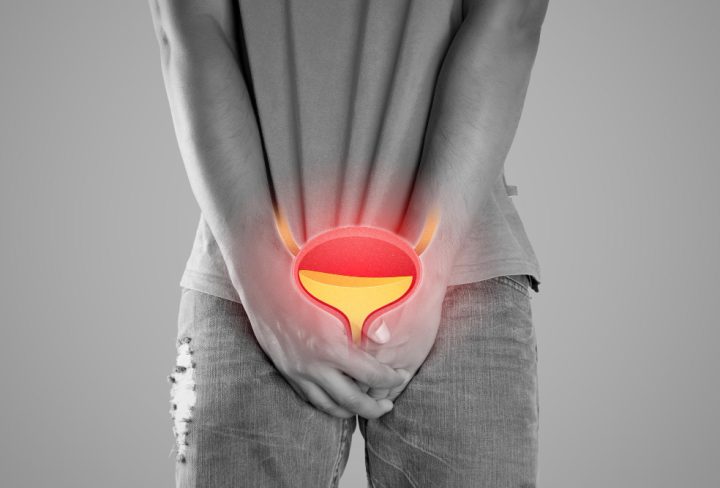
What is Urinary Incontinence in Men?
Urinary incontinence in men means losing control over when you pass urine. This condition is also called male urinary incontinence or bladder control problems in men. For many men, it can be embarrassing. However, it is more common than you might think. According to the World Health Organization, millions of men worldwide experience some form of urinary leakage. Although it can affect men of any age, it is more common as men get older. Early treatment for urinary leakage in men can help improve quality of life.
Common Symptoms
Urinary incontinence can show up in different ways. For example, some men may leak a small amount of urine, while others may lose more. Here are some common symptoms:
Sometimes, these symptoms can come and go. But if you notice them often, it is important to talk to your doctor.
Main Causes
There are several reasons why men may develop urinary incontinence. Understanding the cause can help guide treatment. Some common causes include:
In many cases, more than one factor may be involved. Therefore, a doctor will look at your full health history.
How is It Diagnosed?
Doctors use several steps to find out what is causing urinary incontinence in men. First, they will ask about your symptoms and medical history. Next, you may need a physical exam. In addition, your doctor might order tests such as:
With these tests, doctors can find the cause and suggest the best treatment.
Treatment Options
Treatment for urinary leakage in men depends on the cause and how severe it is. Often, a mix of treatments works best. Here are some common options:
Sometimes, simple changes can make a big difference. Your doctor will help you choose the right plan.
Lifestyle Tips and Prevention
Making healthy choices can help manage or prevent bladder control problems in men. For example, you can:
Even small changes can lead to better bladder control over time.
When to See a Doctor
Although occasional leaks may not be serious, you should see a doctor if:
Early treatment can prevent problems from getting worse. In summary, do not wait to seek help if you notice these signs.
For personalized advice on managing urinary incontinence, consult a urologist. Early care can help you regain control and improve your quality of life.