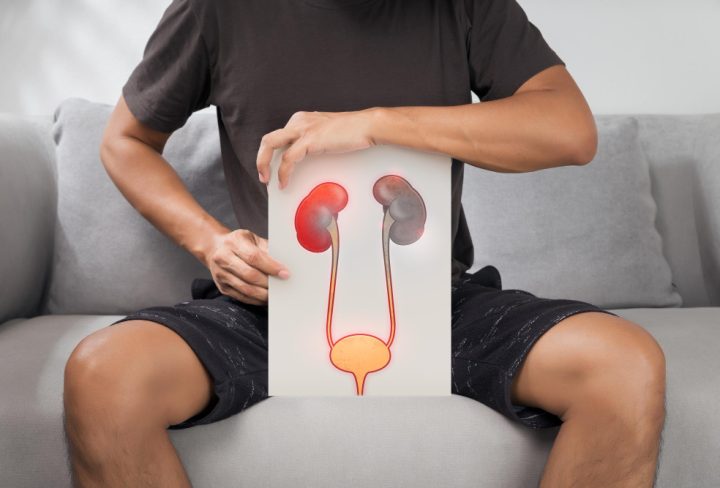
What Is a Urethral Stricture?
A urethral stricture happens when the urine passage, called the urethra, becomes narrow. This narrowing can slow or block the flow of urine. As a result, it may cause discomfort or other problems. Urethral stricture is more common in men, but it can affect anyone. Early detection is important. According to the World Health Organization, untreated strictures can lead to infections or kidney issues. Because this condition can affect daily life, knowing the basics helps you seek care early.
Common Symptoms of Urethral Stricture
People with a urethral stricture may notice changes when they urinate. For example, you may see these symptoms:
Sometimes, the symptoms appear slowly. However, sudden blockage can happen. If you notice any of these signs, it is wise to talk to a doctor. Early care can prevent more serious problems.
Causes and Risk Factors
Many things can lead to a urethral stricture. Often, the cause is an injury or infection. For instance, these are some common causes:
In addition, some people have a higher risk. Men over 50, those with a history of infections, or people who have had prostate surgery may be more likely to develop a stricture. The Centers for Disease Control and Prevention notes that safe practices can lower some risks.
How Urethral Stricture Is Diagnosed
Doctors use several tests to find a urethral stricture. First, they ask about your symptoms and medical history. Next, they may perform these tests:
Because early diagnosis helps prevent problems, it is important to see a doctor if you have symptoms. Quick testing can lead to better treatment outcomes.
Treatment Options for Urethral Stricture
Treatment for urethral narrowing depends on the cause and how severe the blockage is. In many cases, doctors use one or more of these options:
Sometimes, repeated treatments are needed. However, most people feel better after care. The choice of treatment depends on your health and the size of the stricture. According to peer-reviewed medical journals, surgery may offer the best long-term results for severe cases.
Lifestyle Tips and Daily Management
Living with a urethral stricture can be managed with simple steps. For example, you can:
Because daily habits make a difference, staying informed and alert helps you manage symptoms. In some cases, your doctor may suggest special exercises or routines.
Preventing Urethral Stricture
While not all strictures can be prevented, some steps lower your risk. For instance, you can:
Additionally, regular check-ups help catch problems early. The CDC recommends early treatment of infections and safe sexual practices to reduce the risk of urine passage blockage. By taking these steps, you can help protect your urinary health.