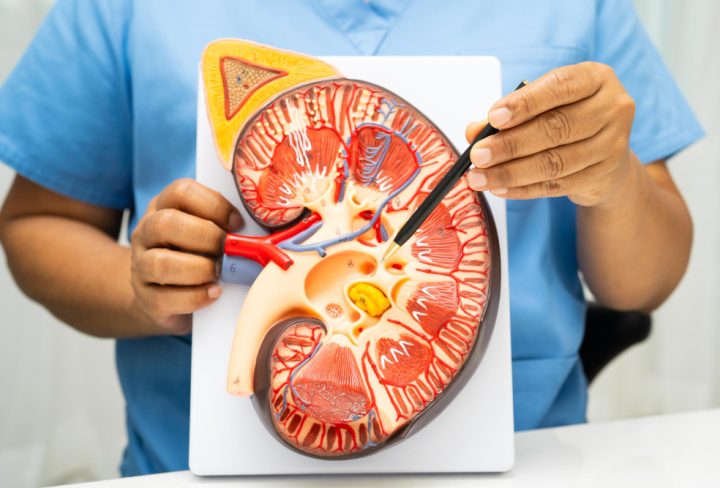
What Are Kidney Stones?
Kidney stones are hard lumps that form inside your kidneys. They are made from minerals and salts that stick together. Sometimes, these stones are very small and pass out of the body without causing pain. However, larger stones can get stuck and cause problems. Many people wonder when kidney stones surgery is needed. Understanding the basics can help you know what to expect.
Common Symptoms of Kidney Stones
Kidney stones can cause a range of symptoms. For example, you might feel sharp pain in your back or side. Sometimes, the pain moves to your lower belly or groin. Other symptoms may include:
Because these symptoms can be severe, it is important to know when to see a urologist for kidney stones.
How Are Kidney Stones Diagnosed?
Doctors use several tests to find kidney stones. First, they may ask about your symptoms and health history. Next, they might order urine or blood tests. These tests can show if you have too many minerals in your body. In addition, doctors often use imaging tests, such as:
These tests help your doctor decide the best treatment for you.
Treatment Options for Kidney Stones
Treatment depends on the size and type of kidney stone. For small stones, you may only need to drink more water and take pain medicine. Sometimes, doctors give medicines to help stones pass more easily. However, larger stones may need other treatments. Some common options include:
Yet, not all stones can be treated this way. In some cases, kidney stone surgery indications are clear, and surgery becomes necessary.
When Is Surgery for Kidney Stones Needed?
Not everyone with kidney stones needs surgery. Still, there are times when it is the best choice. Surgery may be needed if:
Therefore, if you have any of these issues, your doctor may suggest minimally invasive kidney stone surgery. Always ask your doctor about your options.
Types of Surgical Procedures for Kidney Stones
Today, most surgeries for kidney stones are less invasive than in the past. Some common types include:
Each method has its own benefits and risks. Your doctor will choose the best one for your situation.
Recovery and Aftercare
After surgery, most people recover quickly. For example, you may go home the same day or after a short hospital stay. Your doctor will give you instructions on how to care for yourself. These may include:
If you have any concerns, contact your healthcare provider right away.
Prevention Tips for Kidney Stones
While not all kidney stones can be prevented, you can lower your risk. Here are some helpful tips:
Because prevention is easier than treatment, these steps can make a big difference.
Conclusion
Kidney stones can be painful, but many people recover well with the right care. Sometimes, surgery is needed, especially for large or stubborn stones. If you have symptoms or concerns, do not wait. Consult a urologist or healthcare professional for advice about kidney stones and surgical options. Your doctor can help you choose the best treatment for your needs.